
Travel industry economic forecasts set the stage for this enthralling narrative, offering readers a glimpse into a story that is rich in detail and brimming with originality. From outdoor activities to holiday planning, this comprehensive guide explores the impact of economic predictions on various facets of the travel industry.
Outdoor Activities
Outdoor activity businesses are significantly impacted by economic forecasts within the travel industry. When the economy is thriving, people are more willing to spend money on outdoor experiences such as hiking, camping, and adventure sports. Conversely, during economic downturns, consumers tend to cut back on discretionary spending, which can hurt outdoor activity companies.
Adapting to Changing Economic Conditions
- Offering discounts and promotions to attract budget-conscious consumers
- Diversifying offerings to appeal to a wider range of customers
- Targeting niche markets that may be less affected by economic fluctuations
- Investing in marketing and advertising to maintain visibility and attract new customers
Relationship with Travel Industry Economic Forecasts
The popularity of outdoor activities is closely tied to travel industry economic forecasts. When people have more disposable income and are confident in the economy, they are more likely to travel and engage in outdoor adventures. On the other hand, during economic uncertainty, people may choose to stay closer to home and opt for more affordable or free outdoor activities.
Travelling and Hotels
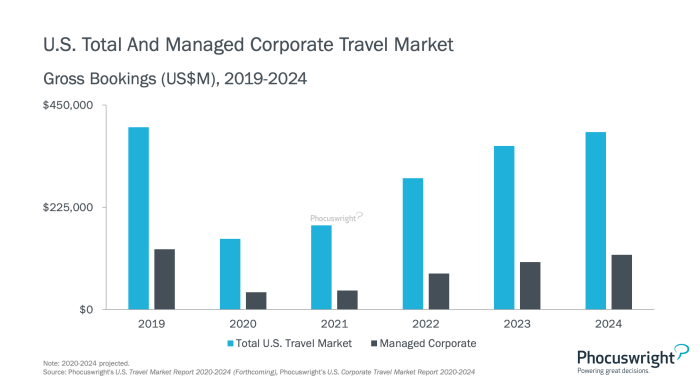
The travel industry is heavily influenced by economic forecasts, as they play a crucial role in shaping travel trends and hotel bookings. When economic indicators point towards growth and stability, people are more inclined to spend on travel, leading to increased bookings and higher occupancy rates in hotels.
On the other hand, during periods of economic uncertainty or recession, travel tends to decrease as people become more cautious with their spending.
Impact of Economic Forecasts on Travel Trends
Economic forecasts directly impact travel trends, influencing factors such as consumer confidence, disposable income, and overall financial stability. Positive forecasts can lead to a surge in travel demand, resulting in higher occupancy rates for hotels and increased revenue for the travel industry.
Conversely, negative forecasts can cause a decline in travel, affecting hotel bookings and revenue.
- Hotels often adjust their pricing strategies based on economic forecasts. During periods of economic growth, hotels may increase rates to capitalize on high demand. Conversely, during economic downturns, hotels may offer discounts and promotions to attract budget-conscious travelers.
- Hotels can also focus on enhancing customer service and guest experience during economic uncertainty to retain loyal customers and attract new ones. Providing value-added services and personalized experiences can help hotels differentiate themselves in a competitive market.
- Strategic partnerships with travel agencies, airlines, and other businesses can help hotels navigate economic challenges by creating bundled packages and cross-promotional opportunities to attract customers.
Role of Consumer Confidence in the Travel and Hotel Industry
Consumer confidence plays a critical role in the travel and hotel industry, as it directly impacts travel decisions and booking patterns. Economic forecasts that project stability and growth can boost consumer confidence, leading to an increase in travel spending and hotel bookings.
Conversely, negative forecasts can erode consumer confidence, causing travelers to postpone or cancel travel plans.
- Hotels can monitor consumer confidence indicators to anticipate changes in travel demand and adjust their marketing strategies accordingly. By staying attuned to consumer sentiment, hotels can tailor their offerings to meet evolving customer needs and preferences.
- Building a strong brand reputation and maintaining transparent communication with customers can help hotels instill trust and confidence, even during uncertain economic times. Providing flexible booking policies and exceptional customer service can reassure travelers and encourage them to book with confidence.
- Investing in technology and digital marketing initiatives can help hotels reach a wider audience and adapt to changing consumer behaviors. Embracing innovative solutions such as mobile bookings, virtual tours, and contactless check-in can enhance the guest experience and drive bookings, irrespective of economic conditions.
Holidays and Vacations
When it comes to holiday and vacation planning, economic forecasts play a crucial role in shaping consumer decisions. These forecasts provide valuable insights into the overall economic health of a country, which in turn impacts people’s willingness and ability to spend on leisure travel.Travel agencies closely monitor economic predictions to tailor their offerings accordingly.
For example, during times of economic downturn, they may focus on promoting budget-friendly packages or deals to attract cost-conscious travelers. On the other hand, when the economy is thriving, travel agencies may introduce more luxury or exclusive travel options to cater to higher-spending customers.
Impact of Disposable Income on Holiday Spending
- Disposable income levels directly influence how much individuals are willing to spend on holidays and vacations. When disposable income is high, people tend to allocate more of their budget towards travel experiences, such as luxury accommodations, fine dining, and unique activities.
- Conversely, during periods of economic uncertainty or lower disposable income, travelers may opt for more budget-friendly options, such as shorter trips, staying in affordable accommodations, or choosing destinations closer to home.
- Travel agencies often adjust their offerings based on disposable income trends, ensuring they have a range of options to cater to different budget preferences. By staying attuned to economic forecasts, they can anticipate shifts in consumer behavior and tailor their services accordingly.
Vacation Plans: Travel Industry Economic Forecasts
In uncertain economic times, individuals tend to adjust their vacation plans based on the economic outlook. This can involve making budget-friendly choices or reevaluating their destination and activities to ensure they can still enjoy a fulfilling vacation experience.
Guide for Budget-Friendly Vacation Planning
When planning a vacation during uncertain economic times, it’s essential to be mindful of your budget and make strategic decisions to maximize your travel experience while minimizing costs. Here are some tips for budget-friendly vacation planning:
- Consider off-peak travel times to take advantage of lower prices for accommodations and attractions.
- Look for deals and discounts on flights, hotels, and activities to save money on your trip.
- Opt for alternative accommodations such as vacation rentals or hostels to reduce costs compared to traditional hotels.
- Create a detailed budget for your trip and stick to it to avoid overspending and financial stress.
- Explore free or low-cost activities at your destination to enjoy the local culture without breaking the bank.
Top Factors Influencing Vacation Decisions
When economic forecasts are changing, several factors can influence individuals’ vacation decisions. These factors play a crucial role in shaping travel plans and choices, ensuring that travelers make informed decisions based on their financial situation and the economic climate.
- Financial Stability: Individuals may prioritize saving money and opting for more budget-friendly travel options to maintain financial stability during uncertain economic times.
- Destination Affordability: The cost of travel to specific destinations can impact vacation plans, with individuals choosing more affordable locations or alternative travel options to stay within their budget.
- Travel Restrictions: Changing economic forecasts may result in travel restrictions or regulations that influence vacation decisions, such as quarantine requirements or limited access to certain destinations.
- Social Factors: Social influences, such as recommendations from friends and family or trends in travel behavior, can also shape vacation plans and choices amidst economic uncertainty.
- Personal Preferences: Ultimately, individuals’ personal preferences and priorities will play a significant role in determining their vacation plans, guiding them towards experiences that align with their interests and values.
Travel Spot
As economic forecasts shape the travel industry, the popularity of different travel destinations is greatly influenced. Travel spots experience fluctuations in demand based on economic conditions and projections.
Impact of Economic Forecasts on Travel Destination Popularity
When economic forecasts predict growth and stability, popular travel destinations tend to see an increase in visitors. Conversely, during economic downturns, travelers may opt for more budget-friendly or domestic destinations. For example, a positive economic outlook can lead to a surge in international travel to luxury destinations, while a recession may boost tourism in less expensive locations closer to home.
Utilizing Economic Projections for Growth in Emerging Travel Spots
Emerging travel spots can leverage economic projections by strategically investing in infrastructure, marketing, and tourism development. By aligning their growth plans with economic forecasts, these destinations can attract more visitors and boost their local economies. For instance, if a region is projected to experience a rise in disposable income, developing unique attractions or offering special promotions can capitalize on increased travel spending.
Shifts in Traveler Preferences and Their Impact on Travel Spots
Traveler preferences often evolve in response to economic conditions. For example, during times of uncertainty, travelers may prioritize safety and opt for destinations with lower risks or closer proximity. Alternatively, in times of prosperity, tourists may seek out exclusive experiences in luxury travel spots.
Understanding these shifts in traveler preferences is crucial for travel spots to adapt and cater to changing demands effectively.
Best Travel Backpack
When it comes to choosing the best travel backpack, it is essential to consider both durability and cost-effectiveness, especially during times of economic instability. A good travel backpack should be able to withstand wear and tear, provide sufficient storage space, and be comfortable to carry for extended periods of time.
Top Travel Backpack Recommendations
- Osprey Farpoint 40: Known for its durability and comfort, this backpack is a popular choice among travelers for its spacious compartments and padded straps.
- Patagonia Black Hole 25L: This backpack is not only lightweight and durable, but also made from recycled materials, making it a sustainable choice for eco-conscious travelers.
- REI Co-op Ruckpack 40: With its versatile design and organizational features, this backpack is perfect for both urban and outdoor adventures, offering great value for its price.
Sales Trends of Travel Backpacks
In correlation with travel industry economic forecasts, the sales trends of travel backpacks have shown fluctuations based on consumer preferences and economic conditions. During times of economic instability, there is a tendency for travelers to opt for more affordable and practical backpack options, leading to an increase in sales of budget-friendly backpacks with essential features.
However, as the economy stabilizes, there is a shift towards premium backpacks with advanced functionalities and higher price points.
Travel Tip
Traveling during economic downturns can be challenging, but with the right tips, you can still enjoy your adventures without breaking the bank. It’s important to be mindful of your budget and take advantage of available discounts to make the most of your travel experience.
Maximizing Travel Discounts
When planning your trip, look out for discounted airline tickets, hotel deals, and package offers. Websites like Skyscanner, Expedia, and Booking.com often have promotions that can help you save money on your bookings.
- Consider traveling during off-peak seasons or weekdays when prices tend to be lower.
- Sign up for airline newsletters and loyalty programs to receive exclusive discounts and offers.
- Use credit card points or miles to offset travel expenses and earn rewards for future trips.
- Book in advance to secure lower prices and avoid last-minute surcharges.
Financial Planning for Travel
It’s crucial to create a travel budget and stick to it to avoid overspending during your trip. Keep track of your expenses and prioritize essential costs like accommodation, transportation, and meals. Consider the following tips for effective financial planning:
- Set a daily spending limit and carry cash in local currency to avoid unnecessary fees.
- Research free or low-cost activities at your destination to enjoy without breaking the bank.
- Pack light to avoid excess baggage fees and save on luggage costs.
- Take advantage of local markets and street food vendors for affordable dining options.
Travel News
The travel industry has been closely monitoring economic forecasts to gauge the potential impact on future travel trends. Recent news related to economic projections suggests both challenges and opportunities for the travel sector.
Industry Response to Economic Forecasts, Travel industry economic forecasts
Experts in the travel industry have been analyzing the current economic projections and offering insights into the future of travel. While some foresee a gradual recovery in travel demand as economies reopen, others caution about the lingering effects of the pandemic on consumer behavior.
- According to [expert name], the travel industry is expected to see a slow but steady recovery in the coming months as vaccination rates increase and travel restrictions ease.
- On the other hand, [another expert] warns that economic uncertainties and changing traveler preferences may lead to a more prolonged recovery period for the travel sector.
Key Developments in the Travel Sector
Economic forecasts have already started influencing key developments in the travel industry, shaping strategies and initiatives to adapt to the changing landscape.
- Major airlines are adjusting their routes and flight schedules based on anticipated shifts in travel demand post-pandemic.
- Hotel chains are reevaluating their pricing strategies and amenities to attract travelers in a recovering economy.
- Tour operators are introducing flexible booking policies and health protocols to instill confidence among travelers planning their next trip.
Best Travel Destinations
When it comes to planning your next vacation, considering the economic forecasts for the upcoming year can help you choose the best travel destinations. By looking at the economic stability of popular travel spots, you can ensure an optimal travel experience without breaking the bank.
Top Economically Stable Travel Destinations
- Japan: Known for its rich culture and stunning landscapes, Japan offers a unique blend of tradition and modernity. With a stable economy and efficient public transportation, it’s a great destination for travelers.
- Australia: From the iconic Great Barrier Reef to the vibrant cities like Sydney and Melbourne, Australia attracts tourists with its diverse attractions. The country’s strong economy ensures a smooth travel experience.
- Germany: With its picturesque castles, historic sites, and bustling cities, Germany is a top choice for travelers seeking a mix of culture and adventure. The country’s robust economy provides a safe and reliable travel environment.
Aligning Your Bucket List with Economic Trends
When planning your travel bucket list, consider destinations with stable economies to ensure a smooth and enjoyable experience. By aligning your travel goals with economic trends, you can make the most of your trips without worrying about financial uncertainties.
Final Wrap-Up
In conclusion, understanding the nuances of economic forecasts in the travel industry can pave the way for informed decision-making and successful adaptation to changing market conditions. By leveraging insights from this guide, businesses and travelers alike can navigate the dynamic landscape of the travel sector with confidence and foresight.
Questions and Answers
How do economic forecasts impact travel trends?
Economic forecasts influence travel trends by shaping consumer behavior, affecting disposable income, and influencing industry investments.
What strategies can hotels implement during economic uncertainty?
Hotels can implement strategies such as flexible pricing, targeted marketing campaigns, and cost-saving measures to navigate economic uncertainty.
How do individuals alter their vacation plans in response to economic outlooks?
Individuals may opt for budget-friendly destinations, shorter trips, or travel during off-peak seasons in response to economic outlooks.


